Cleaning & sorting systems for coffee
Improving coffee quality and roastery environment
More roasters are now thinking about cleaning and sorting coffee in-house. This change comes from higher impurity levels in the green and rising quality expectations. Cleaning is organized into three levels. Air sifter removes dust and light materials. Sieving separates undersized and oversized materials. Optical color sorting is the most sophisticated method. It sorts coffee by shape and color based on exact parameters for each coffee type, such as quakers, insect damage and roasted broken beans. This method ensures high accuracy in the sorting process. At Roastworks, we design cleaning and sorting systems that align with your quality objectives. Our systems integrate smoothly into your production process.
Why cleaning & sorting deserves proper engineering
Integration into the workflow
Dust treatment and emissions
Selecting the right cleaning equipment
Automation and plant control integration
Cleaning equipment we offer
Roastworks engineers and integrates cleaning and sorting equipment tailored to each roastery’s quality expectations, impurity profiles, capacity and workflow. Good cleaning systems not only improve cup quality but also stabilize production and protect downstream machines. Because no single cleaning technology fits all roasteries, we combine equipment thoughtfully based on real operational objectives.
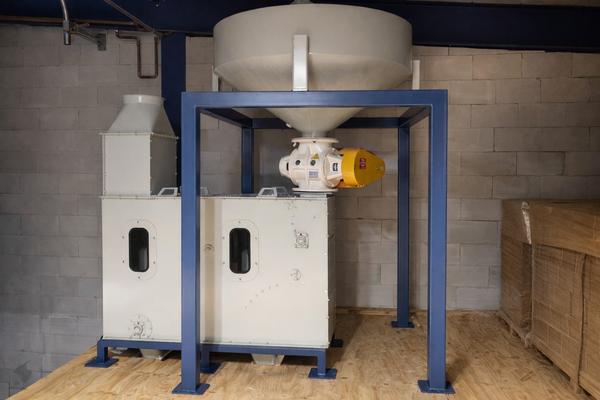
Wind sifter
Air sifters clear out dust, bag fibers, husk and other light materials before storage or screening. Coffee falls down, while controlled airflow carries away lighter materials. Then, they separate the materials using expansion chambers, cyclones and filters. This reduces dust load on downstream equipment and improves plant cleanliness.
Sieve cleaning
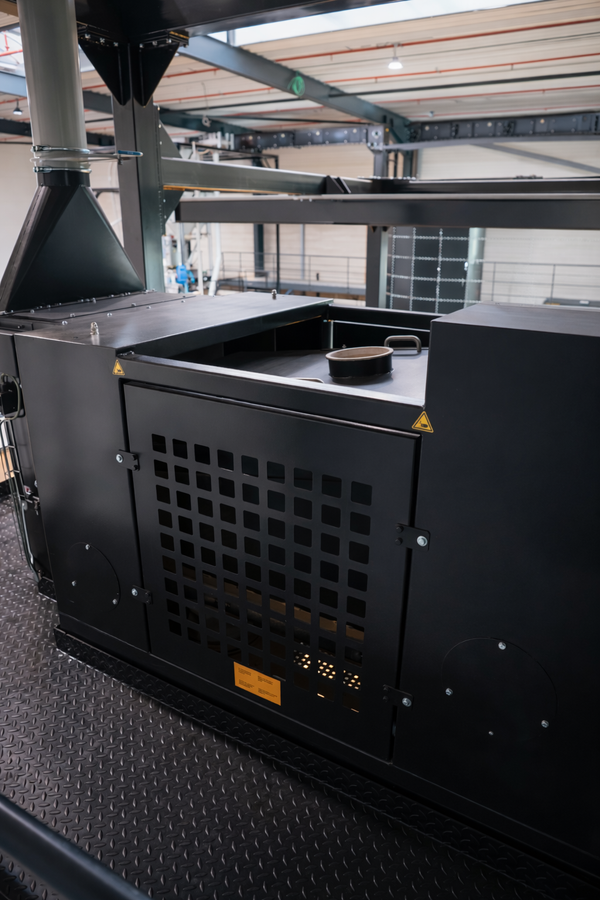
Sieving equipment sorts out small and large materials while integrated aspiration removes dust and light particles. This protects downstream machines and ensures that only correctly sized beans continue through the process.
Optical cleaning/sorting
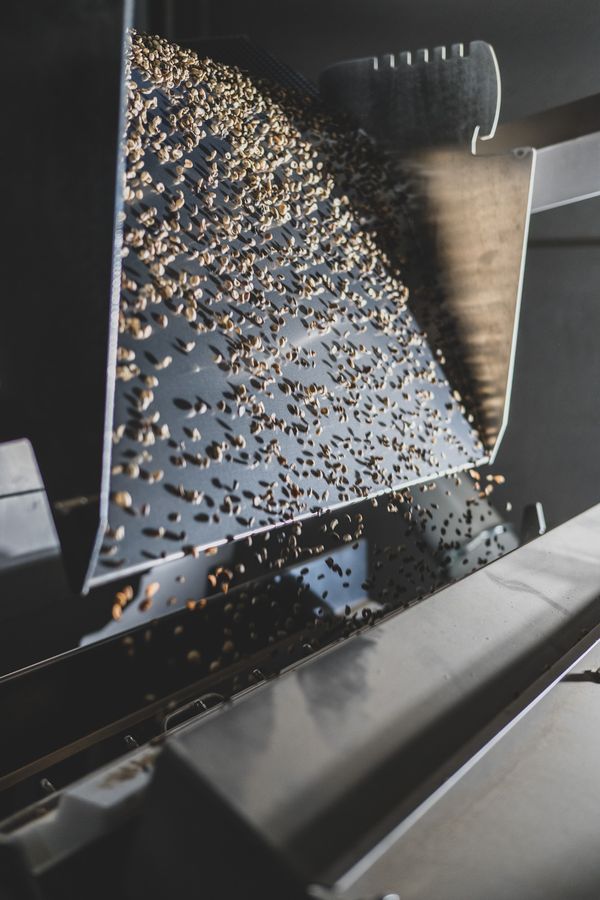
Optical sorters represent the most advanced quality control level. Using RGB cameras, lasers and shape recognition, these systems detect and remove defects mechanical cleaning can’t - such as quakers, insect damage, mold, discolored beans, broken or burnt roasted beans. Optical sorting improves consistency, increases usable yield and enhances final product appearance.

Magnet/metal cleaning
Magnet and metal cleaning focuses on ferrous contaminants - such as screws, nails, wires or other metallic fragments introduced during harvesting, transport or handling. These units can be installed at hopper discharges or integrated into sifters and sieves.
Which technology removes which defect?
| Defect / Impurity | Wind sifter | Sieve | Optical sorter/cleaner | Complementary or Replacement? |
|---|---|---|---|---|
| Dust & light material | First cleaning stage | |||
| Bag fibers / husk / shells | First cleaning stage | |||
| Undersized & oversized material | Size calibration and optical verification | |||
| Stones & heavy foreign matter | Partial | Sieve first, sorter as final control | ||
| Sticks / wood / plastic | Partial | Sorter removes remaining foreign matter | ||
| Green coffee defects | Requires optical sorting | |||
| Roasted broken & burnt beans | Optical sorting as final quality step |
Highlights - Cleaning and sorting
Improving quality of the end product
Sorting takes out lower grade beans. This includes insect-damaged or discolored ones. These beans can hurt the quality of the cup. Removing broken roasted beans or fines also enhances the final product's look and quality. This is important for both specialty coffee and industrial roastery.
Improving roastery environment and operation
Removing dust early drastically reduces dust circulating in conveying, roasting and packaging. Even with local extraction systems, early cleaning lowers cleaning effort, reduces equipment wear and cuts maintenance frequency. This also leads to better working conditions.
Protecting downstream equipment & process stability
Removing stones, foreign materials and fine particles protects roasters, grinders and conveying systems from wear and unexpected stops, stabilizing production and reducing maintenance interventions across the entire plan
Engineering approach - Designing cleaning & sorting systems that work
Cleaning and sorting work best when integrated into the complete production flow. They should not be added later as isolated machines, as this approach can hinder overall efficiency.
Our engineering approach begins by understanding:
- Building geometry and available installation space
- Dust generation points and required treatment strategy
- Interfaces between intake, storage, roasting, and downstream equipment
- Coffee quality objectives and acceptable reject levels
- Current production volumes and expected growth
Depending on the project, we either translate an existing specification into a robust design - or help define the right cleaning and sorting strategy before key decisions are locked in.
From there, we engineer:
- Cleaning architecture and routing adapted to plant layout
- Equipment capacity matched to real production throughput
- Integrated dust extraction, cyclone, and filtration systems
- Automatic routing toward silos or production depending on process needs
- A realistic expansion roadmap allowing future upgrades without rework
Questions? We're here to assist.
The right combination depends on impurity profile, production capacity and quality targets. Wind sifters remove light material and dust, sieves with aspiration systems remove oversized and undersized contaminants, and optical sorters remove visual and material defects. Most installations combine technologies sequentially to match real operational objectives.
Both. Mechanical cleaning protects equipment and stabilizes roasting, while optical sorting improves cup quality and visual consistency. In-house cleaning allows tighter control over reject levels, which can increase usable yield and enhance final product quality.
Yes. Cleaning stations are typically installed between intake and storage or before roasting. Integration requires correct feeding, reject handling and dust treatment planning, but existing plants can be upgraded without fully redesigning production.